
10 Mar What Market Volatility in 2026 Means for People Near Retirement
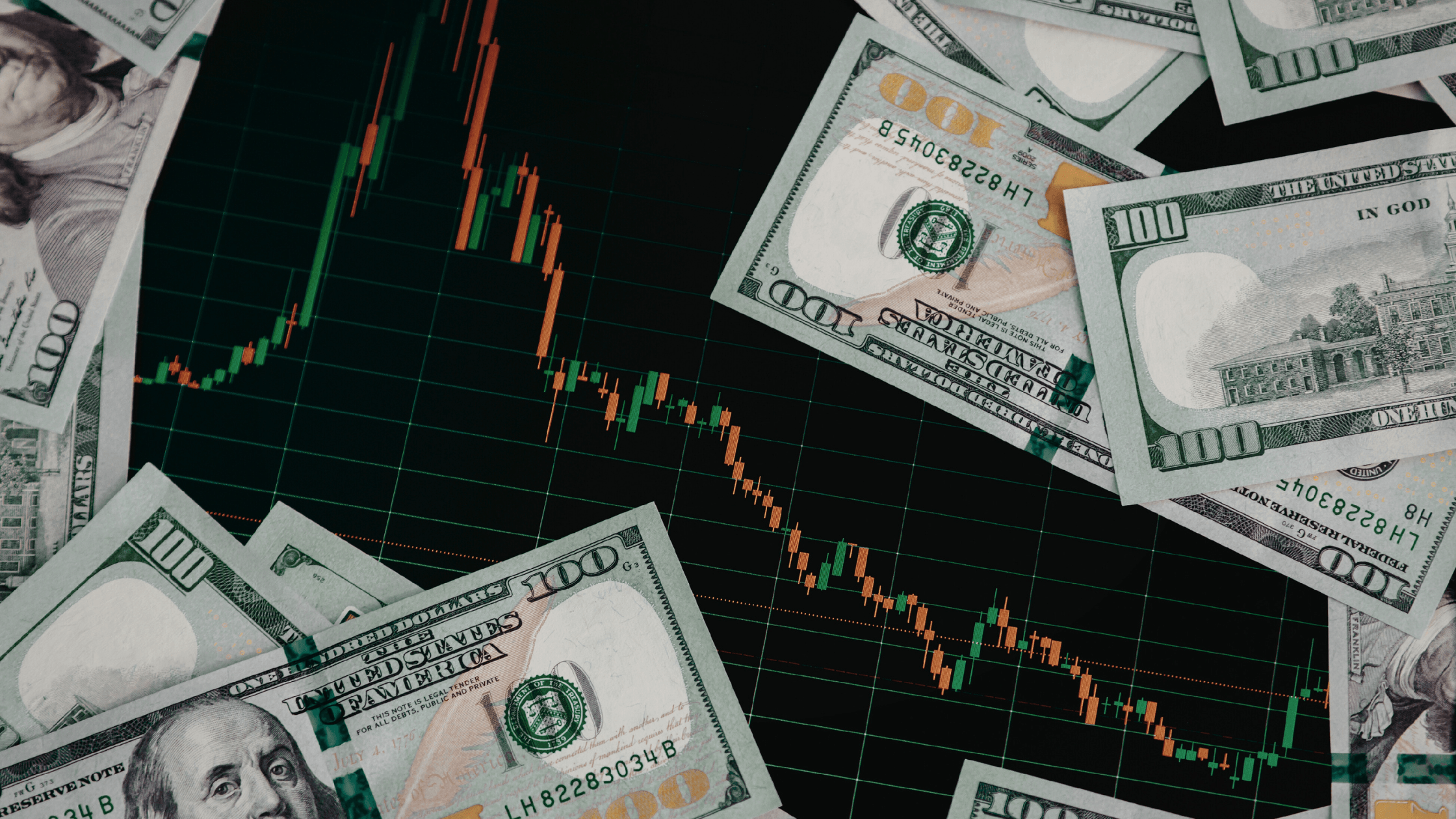
If you’ve glanced at financial headlines recently, you’ve likely seen words like volatility, correction, and uncertain markets. While market swings are nothing new, they tend to feel more personal when retirement is just around the corner.
For those planning to retire in the next few years, or those who have recently retired, market volatility can raise an important question: “How does this affect my retirement plan?”
The good news is that volatility itself is not unusual. Markets move up and down over time, and those fluctuations are a normal part of long-term investing. What matters most is how your retirement strategy is built to handle those changes.
Why Market Timing Feels Different Near Retirement
When you are 20 or 30 years away from retirement, market drops are often easier to ignore because there is time to recover. But as retirement approaches, timing becomes more important.
Financial professionals often refer to this as sequence-of-returns risk. In simple terms, market declines can have a greater impact if they occur right when you begin withdrawing from your savings.
For example, withdrawing from investments that have recently declined can make it more difficult for those assets to recover. This is why many retirement strategies focus on balancing growth with stability.
Building a Plan That Can Handle Ups and Downs
A helpful way to think about retirement planning is to compare it to a long road trip. If the road were perfectly smooth, almost any vehicle would work. But real roads have bumps, curves, and unexpected detours.
Your retirement plan should be designed to handle those conditions.
Many investors nearing retirement review their portfolios to ensure they have a mix of investments. Some assets are positioned for long-term growth, while others are designed to provide stability or income. This balance can help reduce the impact of short-term market swings.
Income Planning Becomes More Important
As retirement approaches, income planning often becomes more important than day-to-day market performance.
Many retirees rely on a combination of income sources such as Social Security, retirement accounts, pensions, and other savings. Having multiple income streams can help reduce dependence on any single investment during periods of volatility.
The goal is to create a plan where essential expenses can be covered regardless of what the market is doing in the short term.
Staying Focused on the Long Term
Market volatility can feel unsettling, but it has always been part of investing. Historically, markets have moved through periods of ups and downs while continuing to grow over time.
For individuals nearing retirement, the focus is less about predicting the next market move and more about ensuring their plan is prepared for a variety of outcomes.
With thoughtful planning and a balanced approach, you can stay focused on your long-term goals even when the market has a few bumps along the way.
Is Your Retirement Plan Built to Handle the Next Market Drop?
Market volatility is not the risk. Having a plan that is not prepared for it is.
At KPC Financial Solutions, we help you build a Retirement Blueprint designed to provide clarity, income, and stability no matter what the market does next.
Schedule your consultation today and get a clear strategy before the next market swing impacts your retirement.