
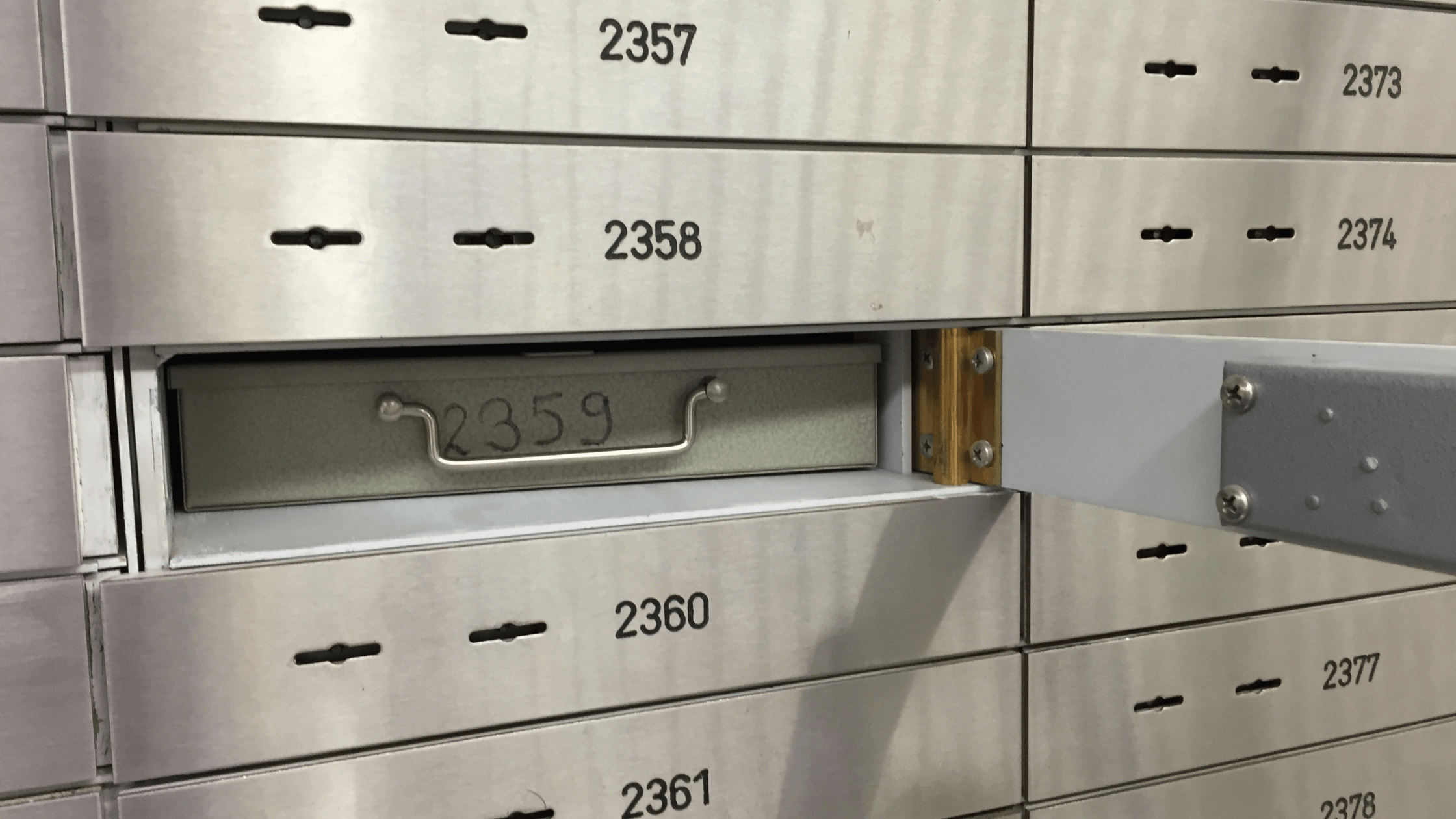
02 Feb The $100 Silver Question: Is Your Safe Deposit Box a Gold Mine (Literally)?
It usually starts with a shrug.
A client mentions, almost as an aside, “I think we have some old silver in a safe deposit box somewhere.” No inventory. No valuation. Just a vague memory of coins passed down, bars bought years ago, or something tucked away “just in case.”
Then comes the question:
“Is that stuff actually worth anything?”
Sometimes the answer is a lot more interesting than expected.
Forgotten Assets Have a Habit of Growing
Silver has a funny way of disappearing from awareness. Unlike stocks or mutual funds, it does not send statements. It does not fluctuate on an app. It just sits quietly, waiting.
That silence can be misleading.
Between industrial demand, limited supply growth, and decades of use as a store of value, silver has quietly maintained relevance while being largely ignored. What once felt like a small, conservative purchase or an inherited curiosity can quietly turn into a meaningful line item on a household balance sheet.
In planning conversations, we often find that silver isn’t “an investment decision” as much as it is an accidental one.
The $100 Illusion
Many people think in terms of face value. A coin says one dollar. A bar feels ornamental. The assumption is that whatever is inside the box must be modest.
But silver doesn’t care what’s stamped on it.
Its value is driven by weight, purity, and market demand, not nostalgia. Older U.S. coins, bullion rounds, and bars often carry value far beyond what people expect. The surprise isn’t just the number, it’s that the asset existed at all, completely outside the plan.
And that’s where the real question begins.
What Is This Asset For?
Once silver is acknowledged, it forces a bigger conversation. Not about metals, but about purpose.
Is this silver meant to be:
- A long-term hedge?
- Emergency liquidity?
- A legacy asset for heirs?
- Or simply something that’s outlived its usefulness?
Keeping silver “just because” can be just as unintentional as selling it without a plan. Either decision should connect to a broader financial strategy.
Planning Blind Spots Matter
Physical assets often live outside traditional planning models. They don’t show up in retirement projections, tax planning conversations, or estate strategies, unless someone remembers to bring them up.
But ignoring them doesn’t make them irrelevant.
Selling silver can trigger taxes. Holding it may affect diversification. Passing it to heirs can introduce complexity. These aren’t reasons to avoid silver, they’re reasons to plan around it.
The Real Value Isn’t the Metal
The real value of opening a safe deposit box isn’t discovering silver, it’s discovering clarity.
Knowing what you own, why you own it, and how it fits into your financial life removes guesswork and replaces it with intention. Whether silver stays right where it is or becomes something else entirely should be a decision, not an accident.
Because sometimes the most valuable assets aren’t the ones you bought on purpose. They’re the ones you forgot to plan for.
If you are unsure how assets like physical silver fit into your overall financial picture, a coordinated plan can bring clarity. Schedule a consultation with KPC Financial Solutions to review what you own and ensure every asset supports your long term goals.